
Did you know that nearly 70% of fashion accessories lose their shine in just a few months? This is because of oxidation, which makes them dull. Luckily, anti-tarnish jewellery is here to change that for fashion lovers who want their items to last.
These special items are made with advanced coatings or top-notch alloys. They fight off damage from the environment. By picking these durable pieces, your collection stays brilliant and polished every day. You’ll spend less time cleaning and more time looking great.
Knowing the perks of this tech is key for any savvy shopper. This guide is your go-to for keeping your anti-tarnish jewellery looking new for years.
Key Takeaways
- Oxidation is the main reason why standard fashion accessories lose their shine.
- Special coatings keep your items safe from environmental damage.
- Choosing high-quality materials means less time on cleaning and maintenance.
- Today’s making methods allow for durable items that keep their shine.
- This guide offers the best ways to care for your collection.
Understanding the Science Behind Anti-Tarnish Jewellery
The secret to keeping your accessories shiny is in the science. When metals meet oxygen and moisture, they tarnish. But, anti-tarnish techniques can slow down this process.
Why Metals Tarnish in the Indian Climate
India’s weather is tough on your accessories. The air is full of moisture and heat. This makes metals tarnish faster.
Coastal air adds salt, making things worse. This is why tarnish-resistant jewelry is key to keeping things shiny.
The Role of Protective Coatings and Plating
Experts use special barriers to protect metals. These barriers stop oxygen and moisture from getting in. Electroplating is a common method, using a thin layer of rhodium or gold.
These coatings do more than shine. They protect your anti-tarnish jewellery from daily wear.
Distinguishing Between Solid Metals and Anti-Tarnish Finishes
It’s important to know the difference between solid metals and treated ones. Solid gold or platinum don’t tarnish easily. But, base metals like brass or copper need a finish to stay shiny.
Buying anti-tarnish jewellery means you’re paying for quality. Knowing this helps you choose better for your wardrobe.
Step-by-Step Guide to Identifying Quality Anti-Tarnish Pieces
Knowing how your favorite accessories are made is important. When you buy anti-tarnish jewellery, look beyond the shine. A careful check ensures your pieces stay beautiful for a long time.
Checking for Hallmarks and Material Composition
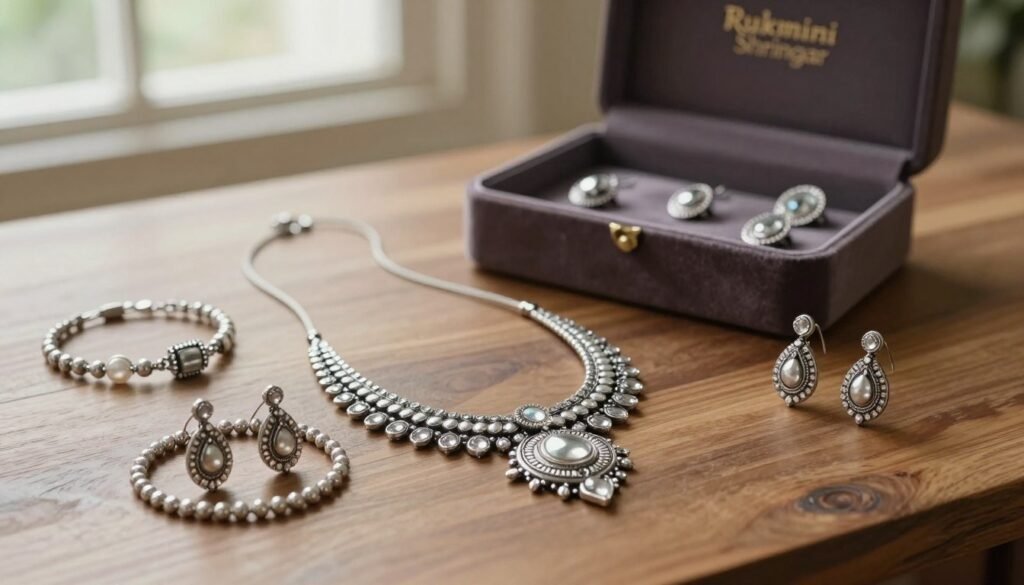
Start by looking for hallmarks on the metal. These small marks show the metal’s purity, like “925” for silver. Authentic pieces also have a maker’s mark, showing quality and responsibility from the maker.
If there’s no hallmark, be careful. Good tarnish-resistant jewelry is made from metals like stainless steel or sterling silver. Knowing the metal helps you understand how it will last in your area.
Evaluating the Thickness of Protective Layers
The quality of your accessories depends on the plating. Anti-tarnish techniques use a thick layer of metal, like rhodium or gold. This thick layer protects against wear and tear.
Quality is shown by the weight and finish of the plating. Thin or uneven plating means the piece will tarnish fast. Investing in pieces with heavy-duty plating keeps your collection bright.
Testing for Nickel and Lead Content
When choosing new accessories, safety is key. Many cheap items have nickel or lead, which can irritate skin. Always check if the brand says their items are hypoallergenic or nickel-free.
Good sellers of tarnish-resistant jewelry are open about their materials. If unsure, use home tests to check for harmful metals. This keeps you safe while enjoying your anti-tarnish jewellery.
Essential Daily Maintenance for Your Jewellery
Make a plan for jewellery maintenance to save time and protect your pieces. Just a few moments each day can stop oils, sweat, and dust from dulling your accessories. Keeping up with care helps your jewellery stay bright like new.
Developing a Consistent Cleaning Routine
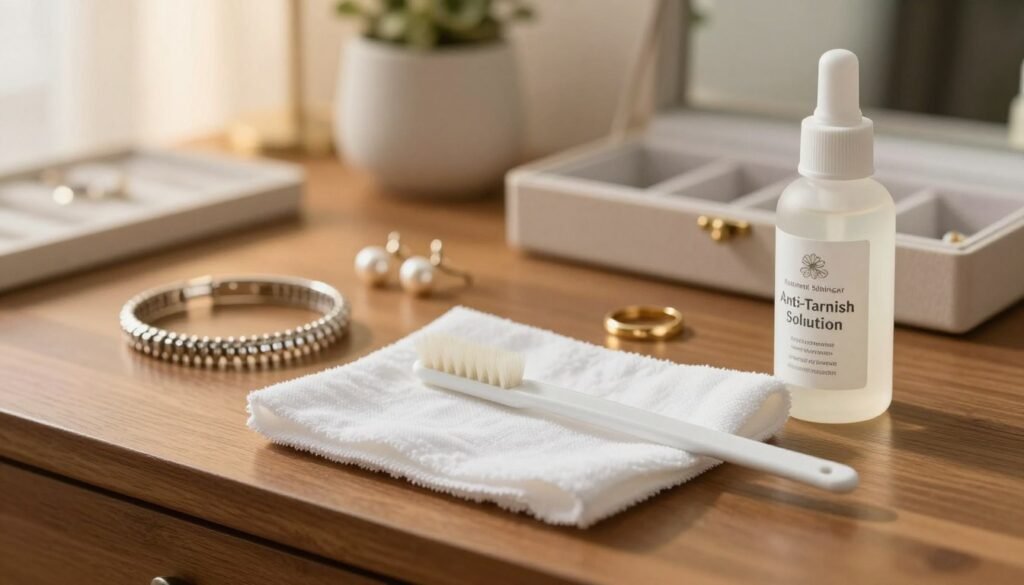
For jewellery care, gently wipe down after each wear. Use a soft, lint-free cloth to clean before storing. This stops scratches and keeps designs clear.
Check your jewellery at night if you wear it all day. Look for moisture or dirt. These steps help your anti-tarnish products work better longer.
Safe Cleaning Agents for Everyday Wear
For deeper cleaning, use mild, pH-neutral solutions. Mix lukewarm water with a bit of gentle dish soap. Use a soft-bristled brush for tight spots, but gently.
Rinse with cool water and dry with a clean towel. Never leave jewellery wet, as it can tarnish faster. Use anti-tarnish products like polishing cloths for extra shine.
Avoiding Harsh Chemicals and Abrasive Materials
Stay away from cleaners with ammonia, bleach, or alcohol. They can damage protective coatings. Also, avoid toothpaste or baking soda, as they scratch plated items.
Here’s a table with tips for keeping your jewellery looking great:
| Cleaning Method | Status | Reasoning |
|---|---|---|
| Microfiber Cloth | Recommended | Safe for daily polishing |
| Mild Dish Soap | Safe | Removes oils gently |
| Toothpaste | Avoid | Highly abrasive |
| Bleach/Ammonia | Dangerous | Corrodes metal finish |
Proper Storage Techniques to Prevent Oxidation
Keeping your jewellery safe starts when you take it off. Good tarnish prevention means how you store it. You can stop moisture and air from harming your metal by controlling the storage environment.
Choosing the Right Storage Containers
Use airtight containers to protect your jewellery. Regular jewellery boxes let air in, which harms your items in humid places. Choose containers with tight seals to block bad air.
Small plastic zip-lock bags are great and cheap. They keep air out and keep items apart, which is key for jewellery maintenance.
Using Anti-Tarnish Strips and Silica Gel Packs
Special anti-tarnish products can help. Anti-tarnish strips soak up bad stuff that makes metals look dull. Put a few strips in your container to keep the air clean.
Silica gel packs also help by pulling out moisture. They’re good for places near the sea. Using these items keeps your jewellery looking new.
Organizing Pieces to Prevent Scratching and Tangling
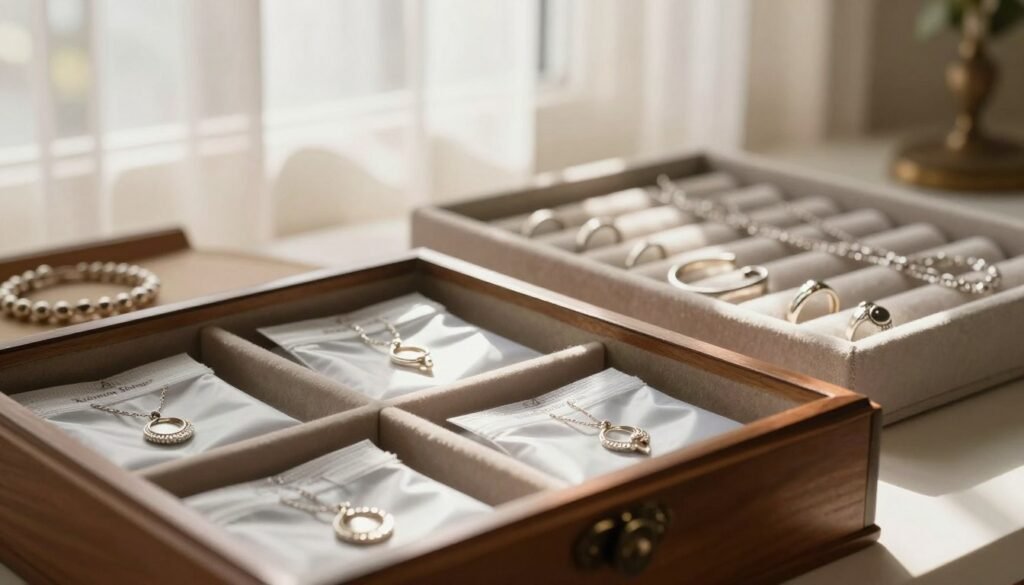
Keeping things organized is as important as keeping them dry. When jewellery touches, it gets scratches that lead to tarnish. Use velvet-lined trays or separate spots for each item.
For long chains, hang them up or use small hooks. This stops tangles that can break your jewellery. Here’s what works best for storing your jewellery:
| Storage Material | Benefit | Best For |
|---|---|---|
| Velvet Liners | Prevents scratching | Rings and delicate earrings |
| Airtight Plastic | Blocks oxidation | Silver and plated items |
| Anti-Tarnish Strips | Neutralizes sulfur | Long-term storage |
| Silica Gel Packs | Absorbs humidity | General jewellery boxes |
How to Wear Your Jewellery to Minimize Tarnish
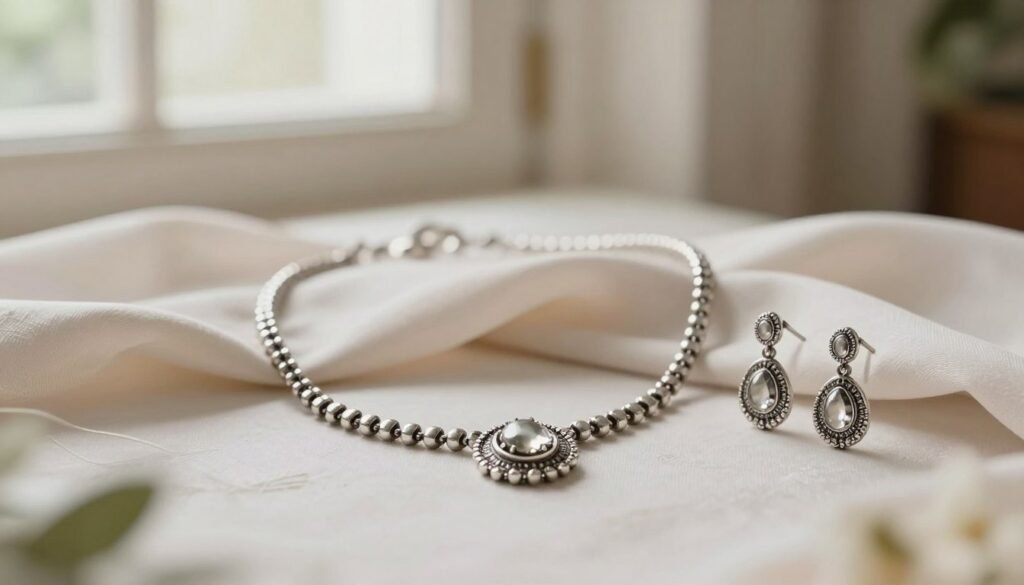
Keeping your jewellery shiny starts before you wear it. It’s about your daily habits. Simple steps can help you prevent tarnish and keep your jewellery looking new.
Managing Exposure to Sweat and Humidity
In India’s humid weather, moisture harms your accessories. Sweat has salts and acids that speed up tarnish. Always clean your jewellery with a soft cloth after wearing to remove sweat.
If you live in a wet area, store your jewellery in airtight bags. This stops moisture from touching the metal. Keeping jewellery dry keeps it shiny and untarnished.
Applying Perfumes and Lotions Safely
Beauty products can damage jewellery. Perfumes, hairsprays, and lotions can harm protective coatings. Always put on cosmetics and fragrances before wearing jewellery.
Let your lotions soak into your skin before wearing bracelets or necklaces. This way, no residue gets on the metal. It keeps your jewellery safe from chemicals.
Removing Jewellery During Physical Activities
It’s tempting to wear jewellery all the time. But, it’s risky during exercise. Sweat and friction can damage your jewellery. Always take off your jewellery before working out or doing housework.
Wearing jewellery during exercise can also scratch it. This exposes the metal to air and moisture. Removing your jewellery before exercising keeps it safe and beautiful.
Advanced Anti-Tarnish Solutions and Professional Care
Even with the best jewellery care, your favorite pieces may still show wear. This wear can happen over time, even with good care. Knowing when to get help from a pro is key to keeping your collection looking great.
When to Seek Professional Re-plating Services
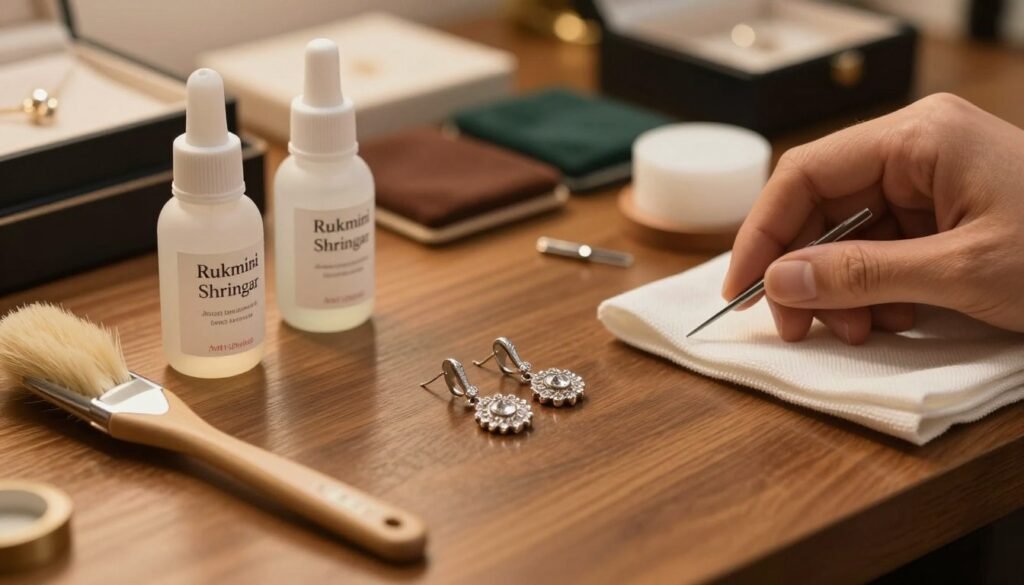
If you see the base metal showing through, it’s time for a pro. Re-plating makes your jewelry shine like new again. Professional help makes sure the new layer is even and strong.
Think about this service if your jewelry looks dull, even after cleaning. A good jeweler can remove the old layer and put on a new one. This makes your jewelry last longer and look better.
Utilizing Specialized Anti-Tarnish Polishing Cloths
For small tarnish spots, use special anti-tarnish solutions at home. These cloths have mild chemicals that clean without scratching. Be gentle when using them to keep the plating safe.
Make sure your hands are clean and dry before using these anti-tarnish products. Rub the jewelry in a circle until it shines. Don’t use these cloths on jewelry with big gemstones, as they might get caught.
Understanding the Limits of Protective Coatings
Don’t expect protective finishes to last forever. They help fight oxidation, but can’t stop everything. Over time, they wear off, even with good storage.
Knowing these limits helps you enjoy your jewelry more. Think of these coatings as a temporary shield. When they wear off, getting your jewelry re-plated is the best choice for keeping it beautiful.
Common Mistakes That Damage Anti-Tarnish Finishes
You might be unknowingly shortening the lifespan of your favorite accessories through simple daily habits. Many pieces come with anti-tarnish solutions. But these coatings are not invincible. Knowing how to avoid common pitfalls is key to preserving jewellery.
The Dangers of Improper Storage Environments
Storing your accessories in humid areas, like a bathroom, is a mistake. Moisture in the air speeds up oxidation. This can break down the protective finish on your metal pieces. Always choose a cool, dry place to keep your collection safe.
Avoid leaving your items exposed to direct sunlight or open air for long. Using airtight containers or velvet-lined boxes helps a lot with tarnish prevention. Proper storage is the first line of defense for your precious items.
Why Over-Cleaning Can Strip Protective Layers
It’s natural to want your jewellery to shine, but too much scrubbing can be bad. Many people use harsh brushes or abrasive cloths. These can wear away the thin protective plating.
“The secret to longevity is gentle care; over-polishing often does more harm than good by removing the very barrier designed to protect the metal.”
Stick to mild, non-abrasive cleaning methods. Frequent, light cleaning is better than aggressive, infrequent scrubbing. This way, you can preserve jewellery without damaging the finish.
Ignoring the Impact of Saltwater and Chlorine
Swimming in pools or the ocean without removing your jewellery is risky. Chlorine and salt can cause rapid discoloration and permanent damage. Even high-quality anti-tarnish solutions struggle to withstand these harsh substances.
Always remove your rings, necklaces, and bracelets before entering the water. If you accidentally expose your pieces, rinse them with fresh water and dry them thoroughly. Being mindful of your surroundings is key to maintaining your collection.
| Habit | Impact on Jewellery | Recommended Action |
|---|---|---|
| Bathroom Storage | High humidity causes oxidation | Store in a dry, cool drawer |
| Daily Scrubbing | Wears down protective plating | Clean only when necessary |
| Swimming | Chemicals corrode metal finish | Remove before entering water |
Building a Durable Collection for Long-Term Use
Creating a lasting collection means mixing new styles with quality craftsmanship. Choosing durable items makes them valuable long-term investments. Opting for tarnish-resistant jewelry keeps your favorites bright and ready for any season.
Investing in High-Quality Base Metals
The metal under the plating is key for lasting pieces. Surgical-grade stainless steel or solid sterling silver are top choices. They resist oxidation well, needing less anti-tarnish solutions.
Always check the base metal when buying. Cheaper metals like brass or copper tarnish fast. Spending more on quality saves you money and hassle later.
Balancing Fashion Trends with Longevity
It’s okay to follow the latest trends, but mix them with timeless items. Using anti-tarnish techniques keeps your trendy pieces looking new. Classic items are perfect for everyday wear.
Here’s a guide to pick the right materials:
| Base Metal | Durability Level | Tarnish Resistance | Best Use |
|---|---|---|---|
| Stainless Steel | Very High | Excellent | Everyday Wear |
| Sterling Silver | High | Moderate | Occasional Wear |
| Brass | Low | Low | Fashion Jewelry |
| Gold Vermeil | Medium | Moderate | Special Occasions |
Conclusion
Starting small is key to keeping your jewellery collection looking great. By taking care of your pieces, they will stay shiny and new.
Following simple routines can make your accessories last longer. This way, they stay in your wardrobe for many years.
Choosing the right storage and cleaning methods is important. They help protect your jewellery from the humid Indian climate.
Give each piece the care it needs. This way, you’ll enjoy wearing your favourite designs every time.
Share your tips with friends who love quality accessories. This way, you can all enjoy beautiful jewellery for a long time.