
Did you know over 70% of fashion accessories lose their shine in just three weeks in India’s humid climate? This makes shoppers unhappy with their buys.
Choosing between cheap and lasting pieces is a big decision. Knowing the difference between anti-tarnish vs imitation styles helps you make a smart choice.
Standard imitation jewellery is cheap but doesn’t last long. On the other hand, anti-tarnish jewellery has a special coating that keeps it looking good. Buying quality means your favorite pieces stay bright and lovely for years.
Key Takeaways
- High humidity in India makes accessories wear out fast.
- The right material is key for keeping things looking good.
- Anti-tarnish pieces have special coatings to stop them from getting old.
- Standard options are cheaper but need to be replaced often.
- Durability shows the real value of your daily wear.
Understanding the Basics of Anti-Tarnish Jewellery
Ever wondered why some accessories stay shiny while others fade? It’s all about advanced material science. Modern jewellery design focuses on making pieces that don’t tarnish or get damaged by the environment.
By using anti-tarnish materials, makers keep your favourite items looking new. Even after wearing them every day for months.
What Defines Anti-Tarnish Technology
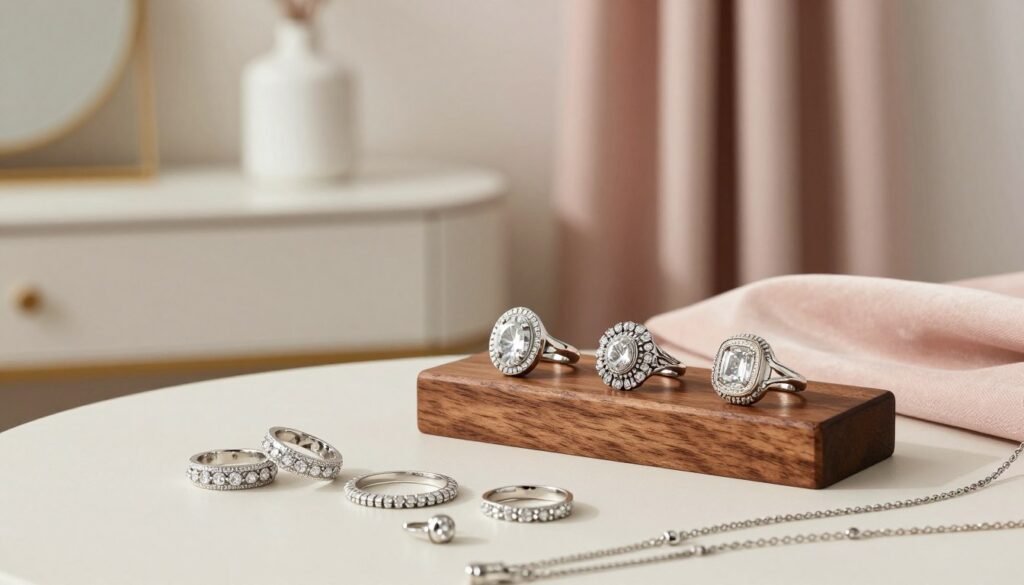
Anti-tarnish tech means adding layers to protect against moisture, oxygen, and oils from your skin. These layers stop the metal from reacting with air, which causes tarnish. Physical Vapor Deposition (PVD) and rhodium plating are top methods for this.
Choosing jewellery with these techs means it stays looking new. This is key in humid places where metal tarnishes fast. The right anti-tarnish materials make your jewellery last longer.
Common Materials Used in Anti-Tarnish Pieces
Long-lasting jewellery often starts with metals like stainless steel or sterling silver. Then, they get special coatings for looks and protection. Knowing these helps you pick better for your daily wear.
| Coating Type | Primary Benefit | Best For |
|---|---|---|
| Rhodium Plating | High Reflectivity | Silver-toned pieces |
| PVD Coating | Extreme Durability | Gold-toned daily wear |
| E-Coating | Clear Protection | Fashion jewellery |
Remember, even with anti-tarnish materials, care is key. Stay away from harsh chemicals and keep your jewellery dry. Quality construction means your jewellery will be a closet favourite for years.
The Reality of Regular Imitation Jewellery
When you look at imitation vs real jewellery, you see a big difference. Real jewelry uses precious metals. But, imitation jewelry is made for looks, not to last long. Knowing this helps you pick better for your clothes.
Composition and Plating Techniques
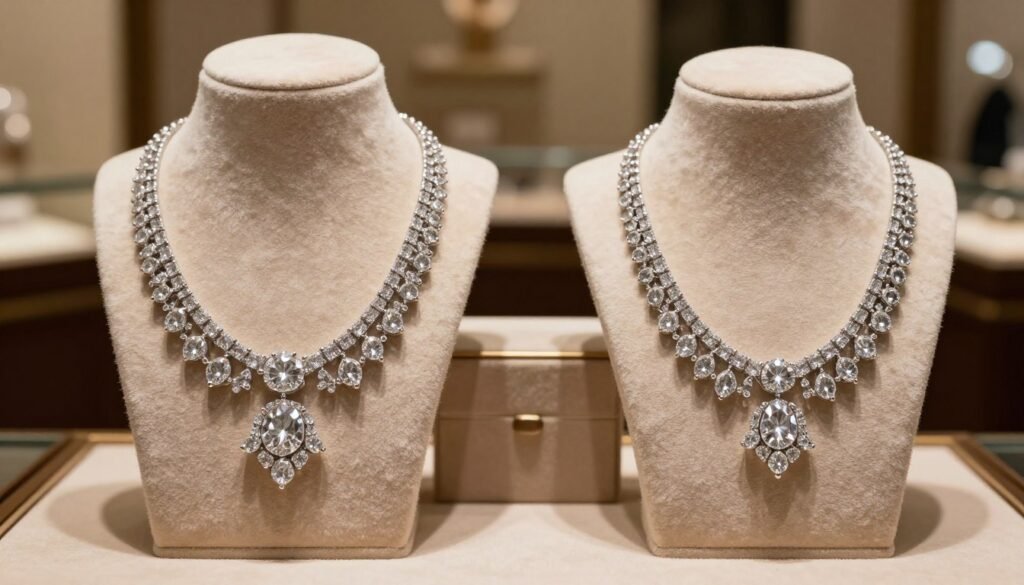
Most imitation jewelry is made from metals like copper, brass, or zinc. These are cheap and easy to shape. But, they react to the air and water.
To make them look good, a thin layer of gold or silver is put on. This layer is thin to save money. But, it doesn’t last long. Soon, the real metal shows, making it look bad.
Why Traditional Imitation Jewellery Fades
These pieces fade because of oxidation. When they touch moisture or your skin’s oils, they change. This makes them look old and tarnished.
Things like perfume and hairspray make it worse. They take off the thin layer, exposing the metal. Then, the jewelry quickly loses its shine.
| Feature | Base Metal | Plating Thickness | Lifespan |
|---|---|---|---|
| Standard Imitation | Copper/Brass | Very Thin | Short-term |
| High-Quality | Stainless Steel | PVD Coating | Long-term |
| Precious Metal | Gold/Silver | Solid | Lifetime |
Knowing these facts helps you choose better. Imitation jewelry is good for quick trends. But, it’s not for every day. Think about what you want: short-term style or long-term value.
Anti-Tarnish Jewellery vs Imitation Jewellery: A Direct Comparison
When you shop for daily wear, a detailed jewellery comparison is key. It helps you choose between lasting quality and temporary shine. Knowing how these pieces react to your environment is crucial.
By looking at the core composition of your accessories, you can make smart choices. These choices can save you time and money in the long run.
Durability and Longevity Factors
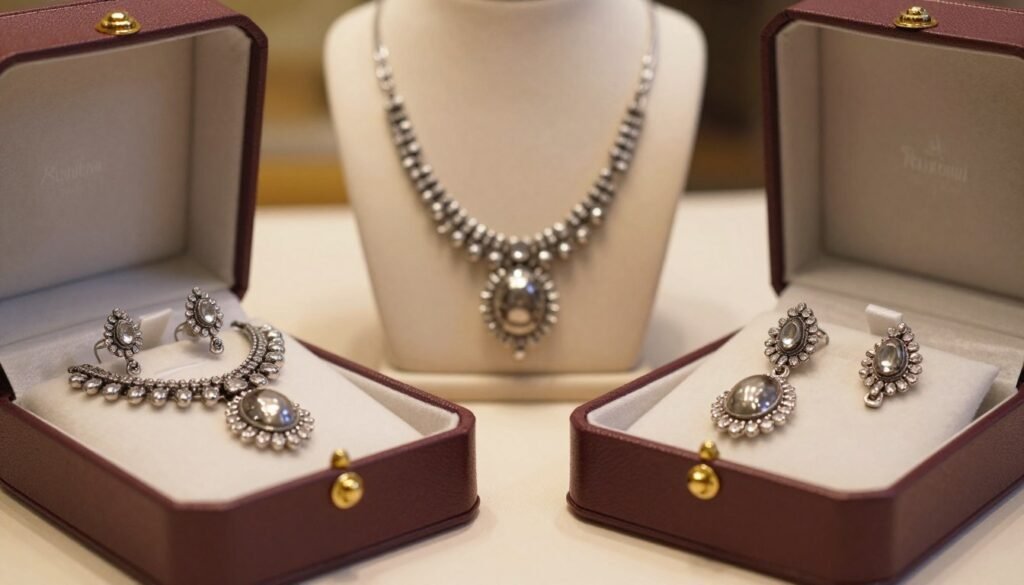
Anti-tarnish pieces are made to last through daily life. They resist moisture and air well. These items have a protective layer that stops oxidation, keeping them looking new for a long time.
Regular imitation jewellery, on the other hand, wears out fast. It loses its shine quickly when exposed to sweat or friction. If you’re active, you’ll see imitation jewellery lose its shine in weeks.
Durability is a big plus of treated metals. They handle daily tasks better than cheaper, mass-produced options.
Skin Sensitivity and Hypoallergenic Properties
For those with sensitive skin, the material of your accessories is very important. Many imitation pieces have nickel or lead, which can cause irritation or allergic reactions.
Anti-tarnish jewellery is made with hypoallergenic materials. This makes it safer for daily wear. Choosing these pieces means less risk of skin discomfort and keeping your style effortless and pain-free.
Aesthetic Appeal and Finish Quality
The look of your jewellery is key to your style. Imitation pieces may look great at first, but their shine fades fast. Anti-tarnish technology keeps the gold or silver finish bright.
This ensures your jewellery looks high-end, fitting both your professional and casual outfits well.
| Feature | Anti-Tarnish Jewellery | Regular Imitation Jewellery |
|---|---|---|
| Lifespan | Long-term durability | Short-term usage |
| Skin Safety | Hypoallergenic | Potential irritants |
| Finish | Resistant to fading | Quickly loses luster |
| Maintenance | Low effort required | High replacement rate |
The Role of Climate in Jewellery Maintenance in India
The weather in India affects how long your favourite accessories stay shiny. The hot plains and rainy areas put stress on your jewellery. Knowing these patterns helps keep your pristine collection looking good.
Impact of Humidity and Sweat on Metals
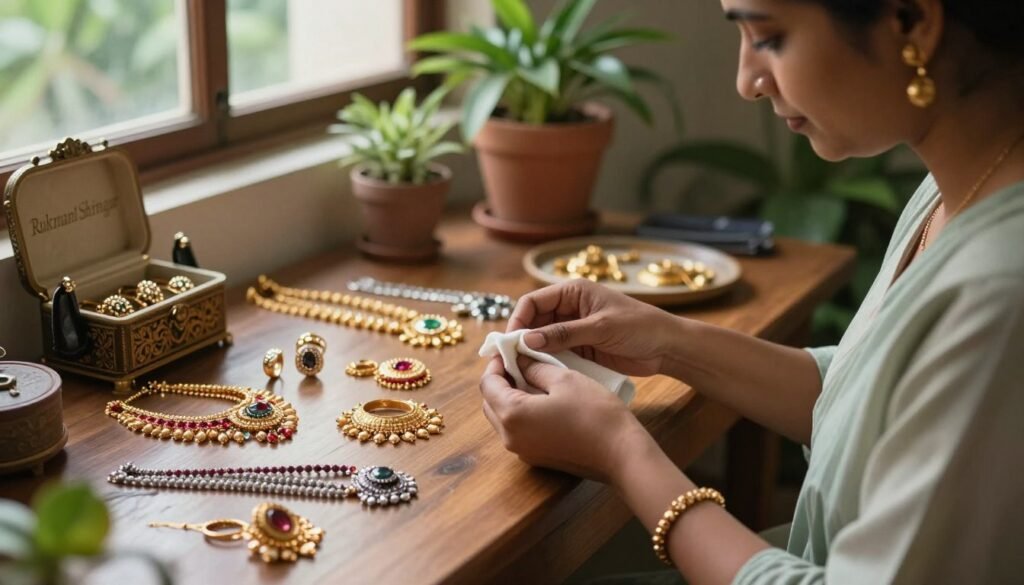
High humidity makes metals oxidize faster. Moisture on jewellery starts chemical reactions. This is big during the rainy season when the air is full of water.
Your sweat also harms your jewellery. Sweat has salts and acids that hurt metals like copper or brass. When sweat and humidity mix, your daily wear pieces can get dull and dark.
How Coastal Environments Affect Jewellery Lifespan
Living in a coastal city like Mumbai or Chennai is tough for jewellery. The salty air is very bad for metals. This makes your accessories last less time than in dry places.
Salt in the air makes metals corrode faster. Even in a box, salt can get in and start damage. Cleaning your jewellery often is key to keeping it safe in these areas.
Cost-Benefit Analysis for Daily Wear
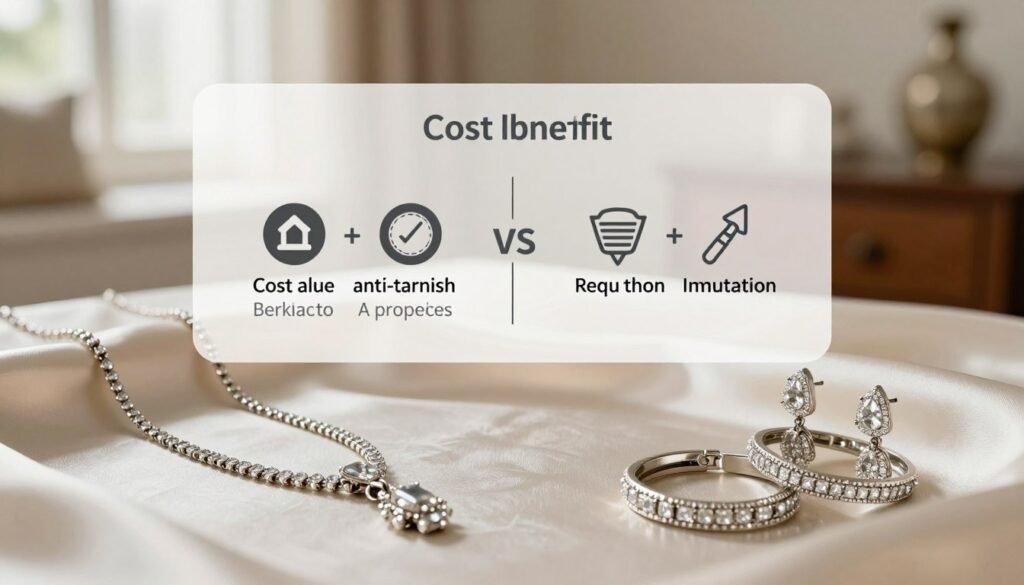
When you buy jewelry for everyday wear, the price you see isn’t always the real cost. A cheap piece might seem like a good deal at first. But, the financial reality can be different over time. It’s important to think about the total value of your accessories.
Initial Investment vs Long-Term Value
Deciding between anti-tarnish jewelry and regular imitation jewelry is a big choice. Anti-tarnish jewelry costs more upfront. But, it lasts longer because of its special plating and coatings.
On the other hand, imitation jewelry is cheaper but doesn’t last as long. It’s made of base metals that tarnish quickly. Investing in quality jewelry means it will look good for years, saving you money in the long run.
Frequency of Replacement and Hidden Costs
The biggest hidden cost of cheap jewelry is how often you need to replace it. If earrings tarnish after just a few uses, you’ll need to buy new ones. This can add up over time, costing more than a single, durable piece.
There’s also the time and effort to find new jewelry. And think about the environmental impact of throwing away low-quality items. Choosing durable jewelry helps you avoid these hidden financial drains and builds a reliable collection.
| Feature | Regular Imitation Jewellery | Anti-Tarnish Jewellery |
|---|---|---|
| Initial Price | Low | Moderate to High |
| Lifespan | 1–3 Months | 1–3 Years |
| Replacement Frequency | High | Low |
| Long-Term Value | Poor | Excellent |
Styling Versatility for Everyday Occasions
Having a versatile jewellery collection makes it easy to switch between work and play. Choose pieces that are maximum adaptable. This way, you look great without needing too many accessories. Quality is key so your jewellery stays beautiful, no matter how often you wear it.
Office Wear and Professional Settings
At work, your jewellery should match your outfit, not take away from it. Go for minimalist designs like small earrings, delicate chains, or simple bangles. These add a touch of elegance without being too much.
When picking jewellery for work, think about durability. You’ll wear these pieces for hours. Choose high-quality materials to avoid tarnishing or skin problems. A well-curated set of basics makes mornings easier and keeps you looking sharp.

Casual Outings and Social Gatherings
At social events, you can show off your style with bolder choices. Try layering necklaces or wearing statement rings. Versatility means picking pieces that work for any event.
Comfort is as important as looks when you’re out. Make sure your accessories are light and won’t fall off. Mix your everyday pieces with some bold ones for a dynamic look that’s perfect for any social event.
Authenticity and Quality Markers to Look For
Your jewelry investment needs protection. Knowing how to spot genuine quality is key. When you shop, checking authenticity in jewellery means you get durability, not just a trend. Learning to inspect your pieces well helps you make smart choices, saving money and avoiding trouble later.
Identifying High-Quality Anti-Tarnish Coatings
Quality pieces have a smooth, even finish that shines. Look for uniform plating that covers all areas without patches or color changes. A good anti-tarnish coating feels smooth, showing it was made well.
Weight is another clue. Real pieces feel solid, not light or hollow. This balance shows they’re made to last, even in India’s climate.
Red Flags in Cheap Imitation Jewellery
Not all accessories are the same. Some signs warn of low quality. If you see these, think twice before buying:
- Uneven Coloration: Where the metal shows through, it’s a bad sign.
- Rough Edges: Sharp edges mean poor polishing.
- Metallic Odor: A strong smell means low-grade metals.
- Flaking or Bubbling: Peeling surface means it won’t last long.
Stay alert to keep your jewelry real. Choose pieces with a smooth finish and avoid those made poorly. These steps help your accessories stay beautiful for years.
Best Practices for Jewellery Maintenance
Following a few simple jewellery maintenance tips can make your collection last longer. Regular care keeps your accessories looking new. These habits protect the special layers that keep your pieces shiny.
Cleaning Techniques for Anti-Tarnish Pieces
When cleaning anti-tarnish jewellery, gentleness is key. Don’t use rough scrubs or harsh chemicals. They can damage the special coating. Instead, use a soft, lint-free cloth to clean after each wear.
For a deeper clean, mix mild soap with lukewarm water. Pat dry with a soft towel to avoid water spots. Never soak pieces with glued-on stones in water. Water can weaken the glue over time.
Storage Solutions to Prevent Oxidation
Proper storage is key to preventing oxidation. In humid places, air and moisture can tarnish jewellery. Store each piece in an airtight bag or lined box to keep it dry.
Adding silica gel packets to your storage helps absorb moisture. Keep your jewellery away from sunlight and heat. Organizing your items also prevents scratches from rubbing.
When to Remove Jewellery During Daily Activities
Knowing when to take off your jewellery is important. Remove it before swimming in chlorinated pools or saltwater. These can damage the metal. Also, avoid wearing jewellery during intense workouts to protect it from sweat.
It’s best to remove rings and bracelets before applying lotions, perfumes, or hairsprays. These products can make your jewellery dull. By following these jewellery maintenance tips, your collection will stay beautiful for years.
| Activity | Action Required | Reasoning |
|---|---|---|
| Swimming | Remove | Chlorine and salt damage plating |
| Exercising | Remove | Sweat causes oxidation |
| Applying Lotion | Remove | Chemicals dull the finish |
| Daily Storage | Seal | Prevents air exposure |
Environmental Impact and Sustainability
Every piece of jewellery you buy has an impact on the environment. The low price might look good, but the real cost to our planet is high. You can choose to live more consciously by making better choices.
The Lifecycle of Fast-Fashion Jewellery
Fast-fashion jewellery is made for quick trends, not lasting use. It’s often made with cheap metals and harmful chemicals. When it wears out, it ends up in landfills.
The “buy-use-toss” cycle creates a lot of waste. Because it’s cheap, we don’t fix it. This cycle keeps us buying more, harming the environment.
Choosing Durable Pieces for a Sustainable Wardrobe
Buying anti-tarnish jewellery helps make your wardrobe sustainable. These pieces last longer, so you don’t need to buy new often. Choosing quality over quantity helps the planet.
Durable jewellery stays beautiful for years. This means we don’t need to make as much new stuff. By picking items that last, you support mindful consumption. It saves money and protects the environment from waste.
| Feature | Fast-Fashion Jewellery | Anti-Tarnish Jewellery |
|---|---|---|
| Material Quality | Low-grade base metals | High-quality alloys |
| Lifespan | Weeks to months | Years |
| Waste Impact | High (frequent disposal) | Low (long-term use) |
| Sustainability | Poor | Excellent |
Pros and Cons of Anti-Tarnish Jewellery
Want your accessories to last? Look at the good and bad of anti-tarnish tech. Knowing these helps your choice match your style and needs. You’ll enjoy the anti-tarnish benefits that keep your jewelry looking new.
Advantages for the Modern Consumer
This jewelry is very durable. It fights off oxidation, common in humid places like India. It also needs less polish than regular fake jewelry.
It also keeps looking good. The protective layer stops it from getting dull fast. This is great for people who are always on the go and want jewelry that looks good without effort.
Limitations and Realistic Expectations
Though the tech is cool, don’t expect too much. The coating wears off with lots of use. Treat it gently to make it last longer.
Also, it costs more than regular fake jewelry. You’re paying for the special coating and making process. Think about your budget and how long you want the jewelry to last.
| Feature | Anti-Tarnish Jewellery | Standard Imitation |
|---|---|---|
| Maintenance | Low | High |
| Longevity | Extended | Short-term |
| Cost | Moderate | Budget-friendly |
| Finish | Durable | Prone to fading |
Pros and Cons of Regular Imitation Jewellery
Imitation jewellery is popular but has its own set of trade-offs. It’s a mix of luxury and everyday wear. Knowing the style and durability balance helps you shop better.
Why It Remains Popular for Trend-Driven Fashion
Imitation jewellery is loved for its incredible variety and low cost. You can try bold looks without spending a lot. It’s great for those who like to change their accessories with the seasons.
These items are cheap, so you can buy many styles. You can have dozens of pieces, like chunky necklaces and statement earrings, for the price of one gold-plated item. This lets you show off your style every day.
- Affordability: Allows for frequent updates to your collection.
- Trend Alignment: Keeps you current with fast-changing fashion cycles.
- Variety: Offers endless designs that are often unavailable in precious metals.
The Downsides of Frequent Wear
Despite looking good, imitation jewellery doesn’t last long. The metals used can tarnish quickly when exposed to moisture or oils. This makes the shine fade fast.
Wearing it often can also cause skin problems. Some items contain nickel or other metals that can irritate your skin. You might end up spending more on replacements than you saved at first.
“Fast fashion jewellery is designed for the moment, not for a lifetime. If you choose to wear it daily, be prepared for the inevitable wear and tear that comes with lower-quality materials.”
These pieces are good for special occasions or casual wear. But they don’t last long for daily use. If you care about comfort and don’t want to replace items often, think about this before buying.
Conclusion
Choosing the right accessories is key. They should look good and last long. Now, you know how to pick the best ones.
Look for items that don’t tarnish, even in humid weather. Think about your skin and how often you wear things. Brands like Pipa Bella or Giva are good choices.
Building a lasting wardrobe means picking quality over quantity. This saves money and looks better. Good craftsmanship makes your style shine.
Check your jewellery box now. See what fits your life and what needs a change. Smart shopping means a collection that’s both stylish and valuable.